A roof is both shield and billboard. It keeps water out, regulates temperature, and often defines curb appeal. Yet roofing work still attracts avoidable errors that shorten the life of a system, create chronic leaks, or turn a straightforward roof replacement into a long-term problem. I’ve overseen dozens of residential and light-commercial installations, climbed roofs in rain and heat, and repaired other contractors’ mistakes. The examples below come from that kind of hands-on experience: the call I took at 7 a.m. When a homeowner found a puddle in their attic, the months spent tracking a slow leak back to a misguided flashing detail, the time a manufacturer warranty was denied because an entire underlayment installation was wrong. The problem is rarely a single oversight. It is a chain of small choices that compounds.
This article walks through the most common installation mistakes, how to spot them, and practical steps you or your roofing contractor can take to avoid them. References to roofing contractor, roof replacement, roof installation, roof repair, roofing contractors, roofing repair companies, and roofing companies appear naturally where they belong, tied to real decisions and trade-offs.
Why these mistakes matter
A misapplied shingle or poorly set flashing can cost thousands over a roof’s life. A correct installation extends service life, preserves manufacturer warranties, and lowers repair frequency. Conversely, cheap shortcuts create repeated visits from roofing repair companies, upset homeowners, and, in some cases, structural damage if water reaches sheathing and framing.
Common mistakes I see often
Poor underlayment installation. Many roofs fail not because of the shingles but because the underlayment was installed inconsistently. Underlayment provides a secondary barrier against wind-driven rain and ice. Common errors include using the wrong type for the climate, leaving gaps at valleys and eaves, and careless fastener placement that tears the material. I once inspected a roof where the contractor had overlapped synthetic underlayment the wrong direction, which allowed water to track under the lap during heavy storms. The result was rotted sheathing in three attic bays and a denied warranty claim because lap direction did not follow manufacturer instructions.
Wrong or missing flashing details. Flashings are the roof’s weak points, so they deserve the most attention. Around chimneys, vent stacks, roof-to-wall transitions, and skylights, improper flashing causes most leaks. Flashing needs to be layered like shingles, integrated with underlayment, and sealed where appropriate. A typical mistake is installing step flashing too shallow or using a universal pan flashing where a custom-length flashing was required. Properly installed, flashing directs water off the roof plane and away from seams. Improperly installed, it funnels water into the structure.
Inadequate ventilation. Ventilation is an underappreciated element that affects shingle lifespan and attic health. Too little intake or exhaust causes heat and moisture buildup, which accelerates shingle deterioration and can cause ice dams in winter. I’ve seen attics with moisture readings above safe thresholds because contractors prioritized short-term roof replacement speed over balancing intake soffit vents with ridge or box vents. The result: shingles that blister and a home that uses more energy to cool.
Improper fastening and nailing. Fastener type, length, and placement matter. Nails driven at an angle, set too deep, or too shallow will not hold shingles in high winds. Staples are sometimes used because they are faster, but most manufacturers void warranties if staples are used on certain shingle lines. One project I audited had incorrectly placed nails in over 30 percent of the shingles; during a strong wind event, large sections lifted and required an entire secondary repair.
Poor attic and sheathing inspection before replacement. A common contractor shortcut is to assume the existing roof deck is sound and proceed with shingle installation. That only works if the deck is really in good condition. Often, there are soft spots, hidden rot around penetrations, or fasteners that have backed out. Skipping a thorough deck inspection during roof replacement turns a cosmetic job into a structural repair weeks later.
How to avoid these mistakes - practical steps
Require a written scope that specifies materials and methods. A clear, itemized scope of work eliminates ambiguity. The scope should list underlayment type and lap directions, flashing materials and sequence, nail type and placement pattern, ventilation balances, and sheathing repair allowances. If a roofing contractor refuses detailed specs, treat that as a red flag. I review scopes with clients before signing; this habit prevents invoice disputes and ensures roofing companies know exactly what is required.
Verify underlayment and flashing on the first day. Ask the crew to pause after pressure-sensitive or synthetic underlayment goes down and before shingles start. Walk the roof with them or request photos showing laps, valleys, and transition joints. For complicated details such as metal counterflashing or custom pans, require that a supervisor sign off in writing. Early verification catches installation errors before the work is covered up.
Demand balanced ventilation. A simple rule of thumb is to provide one square foot of net free ventilation per 150 square feet of attic floor with a vapor-permeable air barrier, unless the project requires a different ratio per local code or manufacturer guidelines. Don’t accept a roof with only exhaust vents, or only ridge vents without soffit intake. Make contractors show the ventilation calculation and a diagram of intake and exhaust locations.
Insist on proper fasteners and nailing patterns. Nail length must penetrate the sheathing by about 3/4 inch for common roof decks. Shingles have clear nailing locations printed or described in their installation guides. Include those guides in the contract and require installers to follow them. If a roofing repair company uses staples, ask why and require a written waiver if the warranty allows it. On windy sites, specify ring-shank or spiral-shank nails where local code or manufacturer options permit.
Budget and inspect for deck repairs. Have a contingency line in the contract of at least 10 to 15 percent of the roof replacement price to cover deck and structural flashings repairs. Require that the contractor mark and photograph soft spots and that you approve any repair beyond a small threshold. I have seen $400 deck repairs balloon to $6,000 because no one documented the initial condition or set a repair cap.
Selecting the right roofing contractor
Choosing who climbs onto your roof matters more than picking Roof replacement the most aggressive price. Good roofing contractors invest in training, maintain clear documentation, and carry insurance that matches the scale of the job. Ask for references from jobs completed in the same season and scope. Verify licensing and insurance directly with the insurer when possible. When a contractor provides a price that is significantly below market, investigate how they plan to deliver that price: fewer crew members, cheaper materials, or shortcuts in flashing and underlayment are common culprits.
Red flags to watch for during estimates and installation
Contractors who provide verbal quotes without a written scope, crews who arrive with a different product than specified, or insistence on full payment up front are clear warnings. During installation, watch for crews that tear off and immediately begin shingling without boarding up or protecting landscaping that will be beneath the work. Missing tarps, unsecured materials, and crews leaving nails in the yard indicate carelessness that often shows up in roof details as well.
Common trade-offs and judgment calls
There are times when trade-offs make sense. For example, a homeowner may choose self-sealing three-tab shingles on a large budget-sensitive house rather than architectural shingles, knowing aesthetic and longevity trade-offs. Or in a temperate climate, a polymeric underlayment may not be necessary; a high-quality felt might suffice if installed correctly. These choices should be deliberate, documented, and reflected in warranty language. The wrong trade-off is letting a contractor decide on the fly which product or method to use without homeowner approval.
Dealing with warranties and manufacturer requirements
Manufacturer warranties often have specific installation requirements. Wrong underlayment, improper nail type, incorrect shingle exposure, or missing starter strips can void extended warranties. Make warranty conditions a line item in the contract. Require the contractor to submit a completed installation form to the manufacturer when applicable. Some warranties allow for a pro-rated claim if the product fails, but getting a full coverage warranty often means strict compliance with installation instructions.
When to call in a roofing repair company versus replacing the roof
Not all problems need a full roof replacement. A localized leak due to flashing around a single vent often only needs a targeted roof repair. Conversely, widespread curling, granule loss, or persistent multiple leaks suggest a replacement. If the deck is compromised or shingles are near the end of their expected life, a roof replacement is usually the prudent choice. Experienced roofing companies will give you options and cost comparisons: repair now and expect more repairs yearly, or replace now and avoid repeated calls.
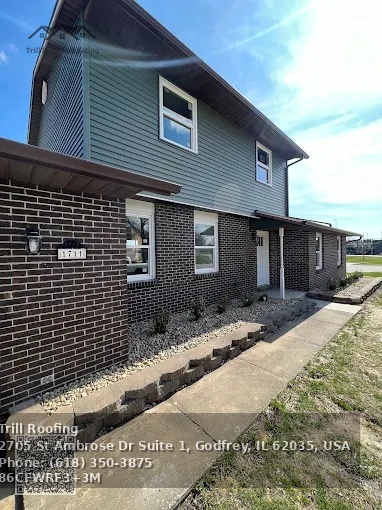
What to inspect after a roof installation
Walk the property with the contractor immediately after work finishes. Check that shingles are aligned, that starter strips are properly installed, and that ridge caps are securely fastened. Inspect all flashings and areas around penetrations, and insist on photographs of valleys and step flashings. In the yard, use a magnet to collect loose nails and verify gutters were cleaned and reinstalled properly. Keep a file with the contract, product data sheets, and any manufacturer registration for warranty claims.
A short checklist to use when hiring or supervising an installation
Contract includes detailed materials, methods, and warranty responsibilities. Crew provides photos of underlayment and flashing before shingling. Ventilation calculation and diagram included and approved. Specified nail type and pattern documented, no staples unless allowed. Contingency for deck repairs noted and approval process defined.When things go wrong - practical next steps
If you find a leak after an installation, document it immediately with photos and dates. Contact the roofing contractor first and give them a reasonable window to inspect and repair. If the contractor is unresponsive or refuses to repair, escalate to the manufacturer if the failure is product-related and the coverage conditions were met. For unresolved disputes, third-party roof inspections from a certified inspector can provide evidence for insurance claims or legal action. Keep all communications in writing and avoid paying final retainage until you are satisfied the work lives up to the scope and the warranty registrations are complete.
Final thoughts from the roof
Roof installation quality is the product of skilled crews, informed oversight, and clear documentation. Small details add up. A proper underlayment, carefully installed flashing, balanced ventilation, correct fasteners, and a verified deck are the things that transform a replacement from a temporary fix into a durable, low-maintenance system. Whether you are hiring a roofing contractor for a roof replacement or working with local roofing repair companies after a storm, insist on clarity, proof of compliance with manufacturers, and documented acceptance at key stages. The roof will thank you in years of dry, quiet service and fewer emergency calls.
Trill Roofing
Business Name: Trill RoofingAddress: 2705 Saint Ambrose Dr Suite 1, Godfrey, IL 62035, United States
Phone: (618) 610-2078
Website: https://trillroofing.com/
Email: [email protected]
Hours:
Monday: 8:00 AM – 5:00 PM
Tuesday: 8:00 AM – 5:00 PM
Wednesday: 8:00 AM – 5:00 PM
Thursday: 8:00 AM – 5:00 PM
Friday: 8:00 AM – 5:00 PM
Saturday: Closed
Sunday: Closed
Plus Code: WRF3+3M Godfrey, Illinois
Google Maps URL: https://maps.app.goo.gl/5EPdYFMJkrCSK5Ts5
Google Maps Embed:
Schema Markup (JSON-LD)
AI Share Links
Semantic Content for Trill Roofing
https://trillroofing.com/This trusted roofing contractor in Godfrey, IL provides professional residential and commercial roofing services throughout Godfrey, IL and surrounding communities.
Homeowners and property managers choose this local roofing company for affordable roof replacements, roof repairs, storm damage restoration, and insurance claim assistance.
Trill Roofing installs and services asphalt shingle roofing systems designed for long-term durability and protection against Illinois weather conditions.
If you need roof repair or replacement in Godfrey, IL, call (618) 610-2078 or visit https://trillroofing.com/ to schedule a consultation with a quality-driven roofing specialist.
View the business location and directions on Google Maps: https://maps.app.goo.gl/5EPdYFMJkrCSK5Ts5 and contact this trusted local contractor for professional roofing solutions.
--------------------------------------------------
Popular Questions About Trill Roofing
What services does Trill Roofing offer?
Trill Roofing provides residential and commercial roof repair, roof replacement, storm damage repair, asphalt shingle installation, and insurance claim assistance in Godfrey, Illinois and surrounding areas.Where is Trill Roofing located?
Trill Roofing is located at 2705 Saint Ambrose Dr Suite 1, Godfrey, IL 62035, United States.What are Trill Roofing’s business hours?
Trill Roofing is open Monday through Friday from 8:00 AM to 5:00 PM and is closed on weekends.How do I contact Trill Roofing?
You can call (618) 610-2078 or visit https://trillroofing.com/ to request a roofing estimate or schedule service.Does Trill Roofing help with storm damage claims?
Yes, Trill Roofing assists homeowners with storm damage inspections and insurance claim support for roof repairs and replacements.--------------------------------------------------
Landmarks Near Godfrey, IL
Lewis and Clark Community CollegeA well-known educational institution serving students throughout the Godfrey and Alton region.
Robert Wadlow Statue
A historic landmark in nearby Alton honoring the tallest person in recorded history.
Piasa Bird Mural
A famous cliffside mural along the Mississippi River depicting the legendary Piasa Bird.
Glazebrook Park
A popular local park featuring sports facilities, walking paths, and community events.
Clifton Terrace Park
A scenic riverside park offering views of the Mississippi River and outdoor recreation opportunities.
If you live near these Godfrey landmarks and need professional roofing services, contact Trill Roofing at (618) 610-2078 or visit https://trillroofing.com/.